
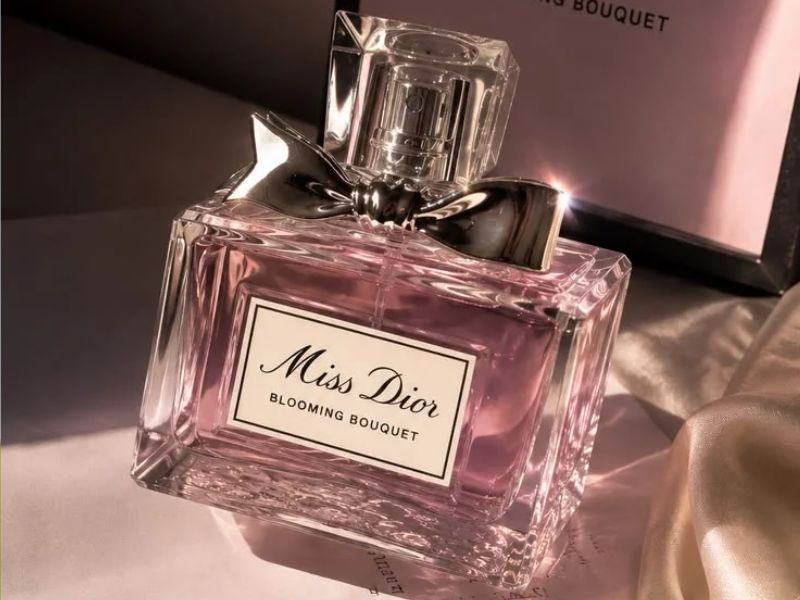
How to Choose a Signature Scent That Matches Your Personality.
Choosing a perfume is a personal experience. Some people are drawn to fresh, clean fragrances that feel light and refreshing, while others prefer warm vanilla, rich woods, delicate florals, or bold scents that leave a lasting impression. The fragrance you enjoy wearing can become part of how you express yourself, complementing your style and the way you want to feel throughout the day.
A signature scent is a fragrance you return to regularly because it feels right for you. It may remind you of a favourite memory, make you feel more confident, or simply smell beautiful on your skin. Over time, people who know you well may even begin to associate that particular scent with you.
However, finding a signature fragrance is not always easy. With so many perfumes available, choosing one can feel overwhelming. A fragrance that smells wonderful on a friend may not appeal to you in the same way, and a perfume you love in the shop may develop differently after several hours on your skin.
The good news is that you do not need to be a fragrance expert to find a scent you love. Understanding fragrance families, identifying the scents you naturally enjoy, and considering your lifestyle can help you make a more informed choice.
In this guide, you will learn how to choose a signature scent that matches your personality, how to test perfumes before buying them, and what to consider when finding a fragrance you will enjoy wearing for years.
What Is a Signature Scent?
A signature scent is a fragrance that becomes closely associated with your personal style. It is the perfume you reach for regularly because you enjoy how it smells, how it develops on your skin, and how it makes you feel.
For some people, a signature scent is one particular perfume worn almost every day. Others prefer to have a small collection of fragrances that share a similar character, allowing them to choose a suitable scent for different occasions while maintaining a recognisable fragrance style.
For example, someone who loves fresh citrus fragrances might choose a bright, clean perfume for everyday wear. Another person who enjoys warm and comforting scents might prefer a fragrance featuring vanilla, amber, or sandalwood.
Neither approach is better than the other. Your signature scent should reflect your preferences rather than follow a rule about what a person should wear.
It is also important to understand that a signature scent does not have to be expensive, rare, or particularly strong. A simple fragrance that makes you happy can be just as meaningful as a luxury perfume.
The goal is to find a scent that feels natural to you and suits the way you enjoy expressing yourself.
1. Identify the Scents You Naturally Enjoy
Before choosing a perfume, take a moment to consider the smells you already enjoy in your everyday life.
You might love the smell of freshly washed clothes, freshly cut flowers, sweet vanilla, citrus fruits, warm spices, or the earthy scent of wood after rain. These preferences can offer useful clues about the fragrance families you may enjoy exploring.
You do not have to know the technical names of perfume ingredients to begin. Simply pay attention to the scents that make you stop and appreciate how something smells.
For example, if you enjoy the freshness of lemons, oranges, and other citrus fruits, you may want to explore perfumes with citrus notes. If you prefer the smell of roses or jasmine, floral fragrances could be a good starting point.
If you enjoy sweet desserts, you might appreciate gourmand fragrances featuring vanilla, caramel, chocolate, or other edible-smelling notes. However, enjoying a particular food does not automatically mean you will enjoy a perfume inspired by it, so testing remains important.
You can also consider the perfumes you have enjoyed in the past. Think about what you liked most about them. Was it their freshness, sweetness, warmth, softness, or the way they developed throughout the day?
Writing down a few observations can help you recognise patterns in your preferences.
A simple way to start is to list three scents you love and three you dislike. This gives you a starting point when exploring fragrances and helps you avoid perfumes that contain prominent notes you already know you do not enjoy.
2. Understand the Main Fragrance Families
Perfumes are commonly grouped into fragrance families based on their overall smell and character. Learning about these families can make it easier to identify scents that match your preferences.
Although individual perfumes may combine several fragrance families, the following categories provide a useful starting point.
Floral Fragrances
Floral fragrances feature the scents of flowers such as rose, jasmine, peony, orange blossom, and lily.
Some floral perfumes smell light and delicate, while others are rich, intense, or slightly powdery. Their character depends on the flowers used, the supporting ingredients, and the overall composition.
If you enjoy romantic, soft, or traditionally feminine-smelling fragrances, you may find floral perfumes appealing. However, floral scents are not limited to any particular gender or personality.
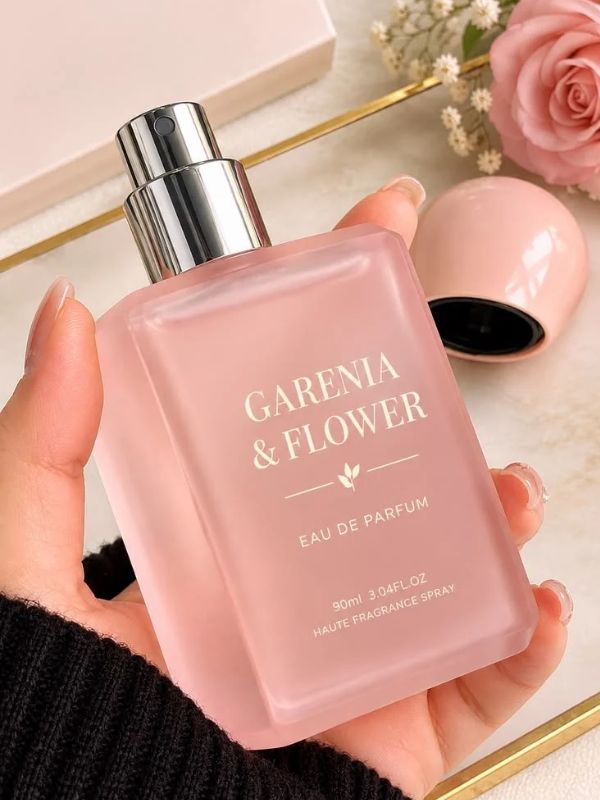
A fresh rose fragrance can feel airy and clean, while a rich white-floral perfume may smell more intense and dramatic.
Floral fragrances are often suitable for everyday wear, special occasions, and evening events, depending on their composition and strength.
When testing a floral perfume, pay attention to how the flowers smell after the fragrance has settled. Some may become softer and creamier, while others may develop a stronger green, woody, or musky character.
Fresh and Citrus Fragrances
Fresh fragrances often feature citrus fruits, green notes, aquatic accords, or clean-smelling ingredients.
Common citrus notes include bergamot, lemon, grapefruit, mandarin, and orange. These can give a perfume a bright, sparkling opening that feels refreshing.
Fresh fragrances may appeal to people who prefer light, uncomplicated scents or want a perfume that feels comfortable during daytime activities.

They can be particularly useful for work, casual outings, travel, and warm weather. However, not every fresh fragrance is light or short-lived. Some contain woody, musky, or aromatic ingredients that give them greater depth.
If you enjoy the smell of clean laundry, a cool breeze, or freshly peeled citrus fruit, this family may be worth exploring.
Remember that the initial freshness of a perfume may change as its top notes fade. Give the fragrance time to develop before deciding whether it suits you.
Woody Fragrances
Woody fragrances often feature notes such as sandalwood, cedarwood, vetiver, and patchouli.
Depending on the composition, they may smell creamy, earthy, dry, smoky, or warm. Some are subtle and smooth, while others have a bold character that becomes more noticeable as the fragrance develops.
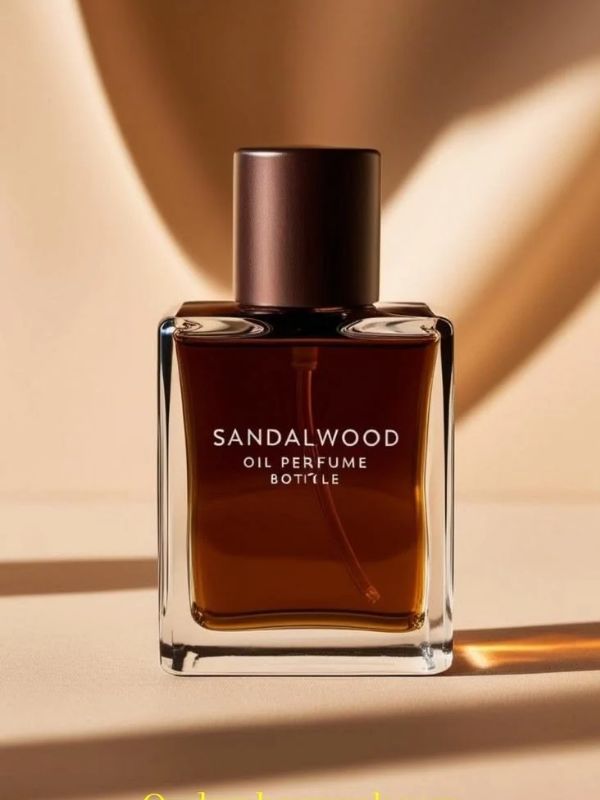
If you appreciate natural, earthy, or warm scents, woody perfumes may appeal to you. They can also be a good option if you prefer fragrances that do not smell strongly floral or sweet.
Woody fragrances work across different settings, from everyday wear to formal occasions. Their suitability depends on the particular perfume, its intensity, and how much you apply.
For a first woody fragrance, consider trying a composition that combines woods with citrus, musk, or soft florals. This can offer a balanced introduction to the family.
Gourmand Fragrances
Gourmand fragrances are inspired by edible or dessert-like smells. They may contain notes of vanilla, caramel, chocolate, coffee, honey, or praline.
These perfumes can smell sweet, creamy, rich, or comforting. Some have a soft sweetness, while others are noticeably sugary and intense.
If you enjoy warm, sweet fragrances, gourmand perfumes may be worth exploring. They can be especially appealing to people who want a scent with a cosy or indulgent character.
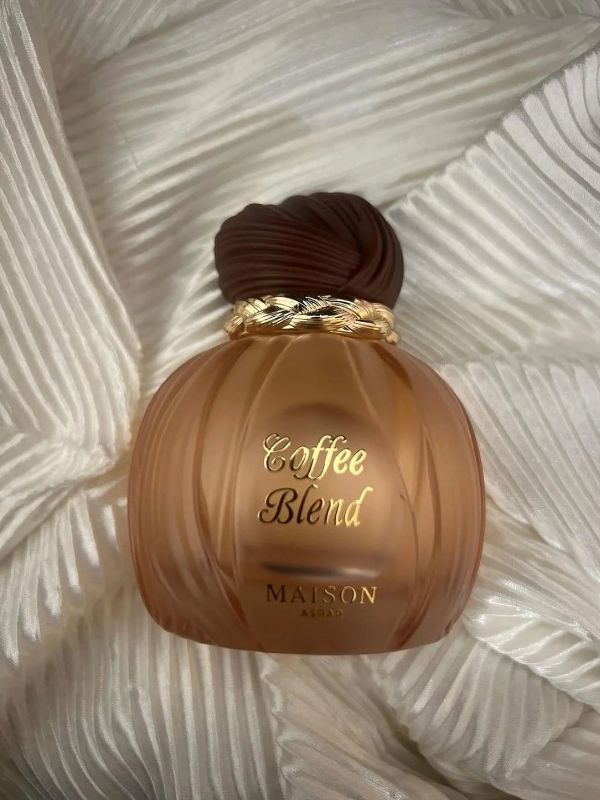
However, sweetness varies considerably between perfumes. A vanilla fragrance may smell creamy and subtle, while another may have a strong caramel or candy-like character.
If you are unsure whether you enjoy very sweet perfumes, begin by testing fragrances that combine gourmand notes with woods, musk, or citrus. These combinations can create a more balanced scent.
Oriental or Amber Fragrances
The term oriental has traditionally been used in perfumery to describe a fragrance family associated with warm, rich, and often spicy compositions. Many modern fragrance descriptions use terms such as amber or ambery instead.
These fragrances may feature amber accords, vanilla, resins, spices, woods, and other warm ingredients.
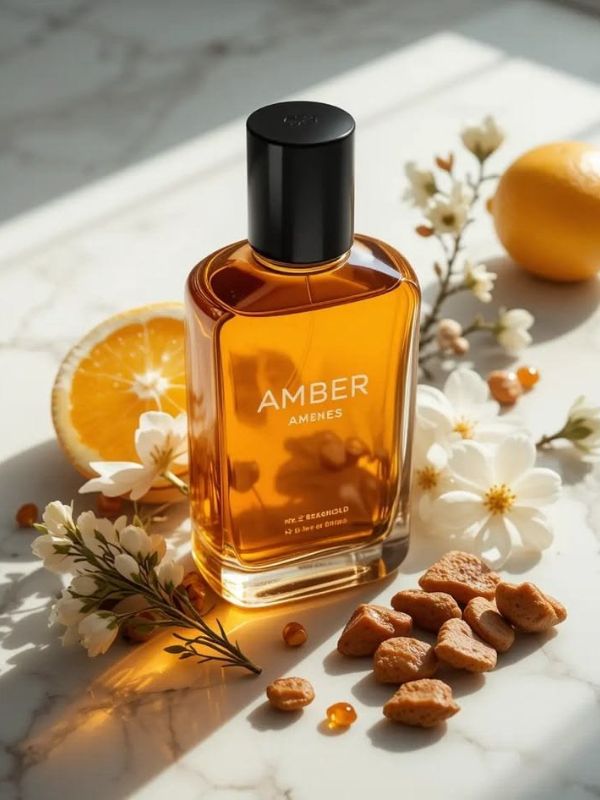
Depending on the composition, they can smell smooth, sweet, spicy, rich, or deep. Some are soft enough for everyday wear, while others are better suited to evenings or cooler conditions.
If you enjoy fragrances that feel warm, enveloping, or distinctive, amber fragrances may be a good place to begin.
Do not assume that every amber perfume will be heavy. Some combine warm base notes with fresh citrus or delicate florals to create a lighter overall effect.
Aromatic and Green Fragrances
Aromatic fragrances may feature herbs and plants such as lavender, rosemary, sage, and other fresh-smelling ingredients. Green fragrances often evoke leaves, grass, stems, and other natural vegetation.
These scents can smell crisp, herbal, earthy, or slightly bitter, depending on their composition.
If you enjoy fresh herbs, gardens, or the smell of crushed leaves, you may appreciate these fragrance styles.
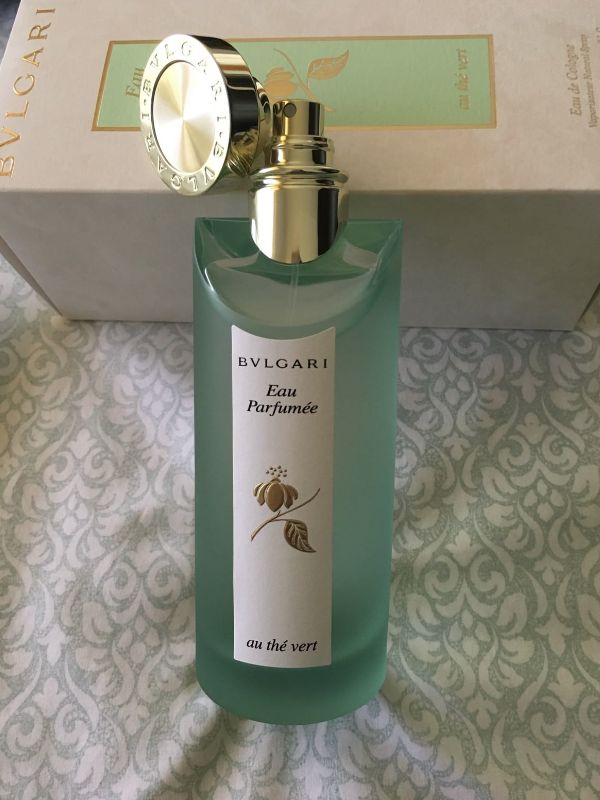
Aromatic perfumes can be particularly appealing if you want something fresh but less citrus-focused. Green fragrances may also offer an interesting alternative to sweet or floral scents.
Exploring these families helps you move beyond choosing perfume based only on whether a bottle looks attractive or a fragrance is currently popular.
3. Consider the Personality You Want Your Fragrance to Express
Your personality can influence the perfumes you enjoy, but it should not determine your choice rigidly. There is no scientific rule that says a particular personality must wear a specific fragrance family.
Instead, consider the impression you would like your fragrance to complement.
Do you prefer a soft and understated scent? Do you enjoy bold fragrances that attract attention? Would you rather smell fresh and energetic, or warm and comforting?
These questions can help you narrow your options.
If You Prefer a Soft and Understated Style
You may enjoy delicate florals, gentle musks, light woods, or subtle powdery fragrances.
These perfumes can create a soft scent profile without overwhelming the people around you when applied appropriately.
They may suit someone who prefers simple clothing, understated accessories, and fragrances that feel like a natural part of their everyday routine.
When shopping, look for descriptions such as soft floral, skin scent, clean musk, or light woody fragrance. These terms can help guide your search, although the actual scent will vary by perfume.
If You Enjoy a Bold and Confident Style
You may want to explore fragrances with noticeable woods, spices, amber accords, rich florals, or other ingredients that create a more pronounced character.
These scents can complement a bold personal style, but strength and personality are not the same thing. A confident person may prefer a subtle perfume, while someone who enjoys expressive clothing may choose a fresh, understated fragrance.
If you prefer a fragrance that makes a stronger impression, test how it develops over several hours and consider its projection before purchasing it.
A perfume that smells attractive up close may project more strongly than expected in a small room.
If You Have a Playful and Energetic Style
You might enjoy bright citrus notes, fruity fragrances, fresh florals, or combinations that feel lively and cheerful.
These fragrances can work well for casual outings, daytime activities, and occasions when you want something refreshing.
Fruity perfumes may feature notes such as pear, peach, berries, or apple. Some smell juicy and fresh, while others combine fruit with vanilla, musk, or flowers for a sweeter character.
Try several options to determine whether you prefer crisp fruit notes or richer, sweeter compositions.
If You Prefer a Classic and Polished Style
You may appreciate fragrances that feel balanced, elegant, and versatile.
Examples include refined florals, citrus and woods, soft musk, and traditional combinations of rose, iris, and woody notes.
These fragrances can complement professional clothing, tailored outfits, and occasions where you want a polished appearance.
However, a perfume does not have to be expensive or marketed as luxurious to smell refined. The quality of the composition and how it suits your preferences matter more than the label alone.
If You Enjoy Warm and Comforting Scents
You may want to explore vanilla, sandalwood, amber accords, soft spices, and creamy gourmand fragrances.
These scents can feel warm and enveloping, particularly when they contain rich base notes.
They may appeal to people who enjoy a fragrance that feels familiar, comforting, or slightly sweet.
If you live in a hot climate, you can still enjoy warm fragrances. Consider testing lighter compositions or applying smaller amounts to see what feels comfortable throughout the day.
The most important point is that personality should guide your exploration, not restrict your choices. You are free to enjoy a fragrance simply because you like how it smells.
Check out my Post on Elegant Dinner Outfit Ideas for Women for Any Occasion
4. Think About Your Daily Lifestyle
A signature scent should work with your daily routine. A perfume you love but rarely feel comfortable wearing may not become your regular choice.
Consider where you spend most of your time and what you usually do during the day.
If you work in an office, attend classes, use public transport, or spend long periods around other people, you may prefer a fragrance that stays relatively close to the skin.
If your routine involves outdoor activities, you might enjoy fresh fragrances that feel pleasant in warm weather. If you frequently attend evening events, you may want a richer perfume for those occasions.
There is no requirement to own different perfumes for every activity. A versatile fragrance can work across several settings if you enjoy its character and apply it appropriately.
For Work and Professional Settings
Choose a fragrance that feels comfortable in shared spaces.
Soft florals, light woods, subtle musks, and fresh compositions can be useful options. However, fragrance intensity depends on the individual perfume, so test the scent rather than relying on its family name alone.
Apply conservatively, particularly if your workplace has fragrance restrictions or people nearby are sensitive to scented products.
For Everyday Activities
For errands, casual outings, and daily routines, consider a fragrance you enjoy wearing without needing a special occasion.
Fresh citrus, gentle florals, clean musks, and balanced woody fragrances can all be suitable options.
Your everyday perfume should fit naturally into your life. You should not feel that you need to save it for an occasion that may never arrive.
For Dates and Social Events
You may enjoy a fragrance that feels a little more expressive for a dinner date, celebration, or social gathering.
Depending on your preferences, this could be a soft floral, a warm vanilla fragrance, a rich woody perfume, or a fresh scent with an interesting base.
Rather than choosing a perfume because it is supposedly attractive to everyone, select one that makes you feel comfortable and confident.
Personal taste varies, and no fragrance can guarantee a particular reaction from another person.
For Travel
When travelling, consider a fragrance that is easy to carry, suitable for your destination, and appropriate for the activities you have planned.
A versatile perfume may be more practical than packing several full-size bottles. A travel-size spray or a properly stored decant can help reduce the space required.
Remember to follow airline liquid restrictions when flying and store your fragrance away from excessive heat and direct sunlight.
5. Pay Attention to Your Skin Chemistry
Have you ever sprayed a perfume on your skin and noticed that it smelled different from how it smelled on a friend?
This is common. A fragrance can develop differently on different people because of several factors, including skin characteristics, the products used on the skin, environmental conditions, and individual perception.
Perfume does not smell different on everyone for one simple reason. Instead, the fragrance composition interacts with its surroundings and the conditions under which it is worn.
For this reason, testing perfume on your own skin is useful before making a purchase.
Test the Perfume on Clean Skin
If possible, test a fragrance on clean skin without layering it over another strongly scented product.
Apply a small amount to your wrist or another suitable area and allow it to develop.
Avoid rubbing your wrists together after applying perfume. Rubbing can change how the fragrance is distributed across the skin and may interfere with your ability to observe its development.
Give the Fragrance Time
Do not judge a perfume solely by its opening.
Many fragrances are designed to develop over time. The initial notes may be bright, fruity, or citrusy, while the later stages may become floral, woody, musky, or warm.
A fragrance that smells wonderful immediately after application may change in a way you dislike. Another perfume that initially seems ordinary may become much more appealing after it settles.
If possible, wear the fragrance for several hours before deciding whether it suits you.
Consider Your Skin Care Products
Body lotions, deodorants, oils, and other scented products can influence how a fragrance smells when worn.
If you want to evaluate a perfume accurately, try to minimise competing scents during the test.
Moisturised skin may also help some fragrances remain noticeable for longer, although results vary by person and perfume.
You do not need to purchase an entire matching collection of body products to enjoy your signature scent. Unscented moisturiser can be a practical option if you want to avoid competing fragrance notes.
6. Learn the Difference Between Top, Middle, and Base Notes
Understanding fragrance notes can help you appreciate how a perfume develops and why it may smell different after application.
Perfume descriptions often refer to three stages: top notes, middle notes, and base notes.
These terms describe a useful way of understanding a fragrance’s development, although not every perfume follows a sharply defined sequence.
Top Notes
Top notes are the smells you typically notice first after applying a fragrance.
They often include bright ingredients such as citrus, light fruits, or fresh aromatic notes.
These notes help create the perfume’s opening impression, but they are generally more volatile than many of the ingredients that remain noticeable later.
For example, a fragrance may open with bergamot or lemon before developing into a more floral or woody composition.
If you choose a perfume based only on its first few seconds, you may miss the character that emerges later.
Middle Notes
Middle notes, often called heart notes, become more noticeable as the initial notes fade.
They may include rose, jasmine, lavender, spices, or other floral and aromatic ingredients.
These notes contribute significantly to the central character of a perfume.
For example, a fragrance may begin with citrus and then develop into a floral heart supported by musk or woods.
Paying attention to the middle stage can help you determine whether you enjoy the perfume beyond its opening.
Base Notes
Base notes tend to provide depth and may remain noticeable after the brighter opening notes have faded.
Common examples include sandalwood, cedarwood, vanilla, patchouli, and various musks and amber accords.
They can contribute to a fragrance’s warmth, texture, and lasting character.
If you prefer perfumes that smell creamy, woody, or warm, you may find that the base notes play an important role in your decision.
However, a fragrance’s longevity cannot be predicted from its base notes alone. Concentration, formulation, application, and individual skin characteristics can all influence how long a perfume remains noticeable.
When testing a fragrance, pay attention to the opening, the development, and the scent that remains later. This gives you a fuller understanding of whether it suits you.
7. Choose a Fragrance That Suits Your Climate
Climate can influence how a perfume feels and performs when you wear it.
Warm conditions can increase fragrance evaporation and may make some scents feel more intense. Cold conditions can change how readily certain fragrance materials evaporate and how noticeable a perfume seems.
However, there is no universal rule that people in warm climates must wear citrus perfumes or that rich fragrances can only be worn in cold weather.
Your personal preference matters more than a strict seasonal rule.
Fragrances for Warm Weather
If you live in a hot or humid climate, you may enjoy fresh citrus, light florals, green fragrances, or airy woody compositions.
These can feel refreshing, especially during daytime activities.
If you prefer sweet or warm perfumes, you do not need to abandon them. You can try a lighter version, use fewer sprays, or apply your fragrance in a way that feels comfortable throughout the day.
Fragrances for Cooler Weather
In cooler conditions, some people enjoy warm woods, amber accords, vanilla, spices, and richer floral fragrances.
These scents can complement heavier clothing and evening occasions, but they are not restricted to cold weather.
A fresh perfume can work beautifully in winter, just as a warm fragrance can be enjoyable in summer when applied lightly.
Consider the Environment
Temperature is only one factor to consider. Humidity, indoor air conditioning, ventilation, and the amount of time you spend outdoors can also affect your experience of a fragrance.
Rather than buying a perfume solely because it is labelled a summer or winter scent, test it in the conditions in which you expect to wear it.
The most useful fragrance is one that you enjoy in your actual environment.
8. Decide How Strong You Want Your Signature Scent to Be
Some people prefer fragrances that remain close to their skin, while others enjoy scents that are noticeable when they enter a room.
Neither preference is inherently better. The right level of intensity depends on your taste, environment, and how you plan to wear the perfume.
Two terms are particularly useful when exploring this difference: longevity and projection.
Longevity refers to how long a fragrance remains detectable after application. Projection refers to how far the scent travels from the person wearing it.
A perfume can last for many hours without projecting strongly. Another may create a noticeable scent trail initially but become much less prominent later.
If You Prefer a Subtle Fragrance
Look for perfumes that feel soft and comfortable to you.
Some musks, delicate florals, and light woody fragrances may suit this preference, although performance varies considerably between formulations.
Apply a small amount and assess how noticeable it feels throughout the day.
If You Prefer a More Noticeable Fragrance
You may enjoy a perfume with stronger projection or a composition that remains prominent for longer.
However, a stronger scent is not necessarily a better scent. Applying too much can make even a beautiful fragrance uncomfortable for people nearby.
Start with a modest amount and adjust according to the perfume’s performance, the setting, and your personal comfort.
Do Not Confuse Strength With Quality
A subtle perfume can be beautifully composed, and a powerful perfume can be poorly suited to your preferences.
Price and concentration alone do not determine whether a fragrance is right for you.
Choose a perfume based on how it smells, how it develops, and whether you enjoy wearing it.
9. Test Perfumes Before Buying a Full Bottle
One of the most practical ways to find your signature scent is to test several perfumes before committing to a full-size bottle.
Perfume descriptions and online reviews can help you identify options, but they cannot fully reproduce the experience of smelling a fragrance on your own skin.
Whenever possible, visit a reputable fragrance retailer or obtain samples from a reliable source.
Start With a Small Selection
Avoid testing too many fragrances at once.
Begin with two or three options from families you already enjoy. For example, you might compare a fresh citrus perfume, a soft floral, and a warm woody fragrance.
This makes it easier to identify what you like about each scent without becoming overwhelmed.
Use Paper Strips for Initial Testing
Fragrance blotters can help you compare perfumes before applying them to your skin.
Spray each perfume on a separate strip and label it if necessary. Allow the initial alcohol smell to dissipate before assessing the fragrance.
Paper strips are useful for screening options, but they do not replace skin testing.
Test Your Favourites on Your Skin
Once you have identified a few promising fragrances, try them individually on your skin.
Avoid applying several different perfumes close together, as their scents may mix and make it difficult to evaluate each one.
Observe how the fragrance develops over the following hours.
Consider whether you enjoy the opening, whether the scent remains pleasant later, and whether its intensity suits your daily routine.
Wait Before Purchasing
If you are considering an expensive perfume, take time to decide.
A fragrance may seem exciting in a shop but become less appealing after several hours. Another may grow on you as its different notes develop.
Samples and travel sizes can be useful when available. They allow you to wear a perfume on different days and in different settings before investing in a full bottle.
Testing carefully can help you avoid spending money on fragrances that ultimately remain unused.
10. Choose a Signature Scent That Works With Your Wardrobe
Your fragrance does not need to match your clothing in a literal sense, but your personal style can help guide your choices.
If you prefer simple, understated clothing, you might enjoy a fragrance that feels clean, balanced, or subtle. If you love expressive colours and statement accessories, you may be drawn to a more distinctive perfume.
These are possibilities rather than fixed rules. A person who wears minimalist clothing may love bold fragrances, while someone with a dramatic wardrobe may prefer something light and fresh.
The important thing is to consider the overall experience you want to create.
For a Minimalist Wardrobe
If you often wear neutral colours, simple silhouettes, and understated accessories, you might explore clean musks, soft woods, fresh citrus, or refined florals.
These fragrances can complement a simple style without competing for attention.
For a Romantic Wardrobe
If you enjoy flowing dresses, delicate fabrics, and floral patterns, you may appreciate rose, jasmine, peony, or soft fruity-floral compositions.
However, a woody or fresh perfume can also create an interesting contrast with romantic clothing.
For a Bold and Modern Wardrobe
If you enjoy statement pieces, structured outfits, and distinctive accessories, you may want to explore fragrances with noticeable woods, spices, amber accords, or rich florals.
A fresh or minimalist scent can be equally effective if that is what you prefer.
For a Relaxed Everyday Style
If your wardrobe mainly consists of jeans, comfortable tops, sneakers, and casual dresses, you might enjoy fresh, fruity, clean, or soft woody fragrances.
Choose something that feels comfortable for your regular activities rather than a perfume that requires a special occasion.
Your clothing and fragrance can complement each other, but neither needs to follow a strict formula.
11. Consider Whether You Want One Signature Scent or a Small Collection
A signature scent does not have to mean owning only one perfume.
Some people enjoy wearing the same fragrance almost every day, while others prefer a small collection that allows them to choose a scent according to their mood or plans.
Both approaches can work well.
Choosing One Main Fragrance
If you prefer simplicity, one versatile perfume may be all you need.
Look for a fragrance that you enjoy in several settings and feel comfortable wearing regularly.
It may help to choose something that works for both everyday activities and social occasions, provided its character and intensity suit those environments.
Building a Small Fragrance Collection
If you enjoy variety, consider starting with two or three fragrances that serve different purposes.
For example, you might have:
- A fresh fragrance for daytime wear.
- A versatile perfume for work and everyday activities.
- A richer fragrance for evenings or special occasions.
These categories are only suggestions. You could just as easily build a collection around different fragrance families or moods.
Keep Your Collection Personal
Do not feel pressured to buy a large number of perfumes simply because fragrance enthusiasts often discuss extensive collections.
A few carefully chosen fragrances can provide plenty of variety.
If you discover that you consistently reach for one perfume, there is nothing wrong with making it your primary signature scent.
12. Pay Attention to Your Budget
Finding a signature scent does not require purchasing the most expensive perfume you can afford.
Fragrances are available at a wide range of price points, from affordable body sprays and everyday perfumes to luxury designer and niche compositions.
The most suitable option is one that fits your budget and gives you an experience you enjoy.
Explore Different Price Ranges
You can discover appealing fragrances at many price points.
Rather than assuming a higher price guarantees a better scent, compare fragrances based on their smell, performance, comfort, and how well they suit your preferences.
Designer perfumes are not automatically better for every person, and affordable perfumes should not be dismissed without testing them.
Consider Smaller Sizes
If a fragrance is expensive, a smaller bottle or sample may be a sensible option.
This is particularly useful if you are still learning which fragrance families you enjoy.
A smaller size also allows you to experience the perfume over time without committing to a large bottle.
Avoid Buying Only Because of Popularity
A perfume may receive excellent reviews and still not suit your preferences.
Online popularity can help you discover fragrances worth testing, but it should not replace your own judgement.
Before purchasing, consider whether you genuinely enjoy the scent and whether you can imagine wearing it regularly.
A fragrance that makes you happy is more valuable than one you bought simply because everyone else recommends it.
13. Learn How to Apply and Store Your Signature Scent
Once you have found a fragrance you love, applying and storing it appropriately can help you enjoy it more consistently.
Apply to Suitable Areas
Many people apply perfume to pulse points, such as the wrists and sides of the neck.
These areas can help make the fragrance noticeable, but you do not need to apply perfume to every pulse point.
Start with a small amount and assess how the fragrance performs.
Avoid spraying perfume directly into your eyes, mouth, or other sensitive areas. If a fragrance irritates your skin, stop using it.
Consider Moisturising Your Skin
Applying perfume to moisturised skin may help some fragrances remain noticeable for longer.
If you prefer to avoid competing scents, use an unscented moisturiser before applying your perfume.
However, moisturising does not guarantee a particular level of longevity. The results depend on the fragrance and individual skin characteristics.
Store Perfume Away From Heat and Sunlight
Heat, light, and repeated exposure to unsuitable storage conditions can affect fragrance quality over time.
Keep perfume in a cool, dry place away from direct sunlight and major temperature fluctuations.
A bedroom drawer or cupboard may be more suitable than a sunny windowsill or a bathroom that becomes hot and humid.
Keep the bottle closed when it is not in use.
Do Not Overapply
Applying more perfume does not always make it smell better or last proportionately longer.
Some fragrances are powerful even in small amounts. Too many sprays can create an overwhelming scent, especially in enclosed spaces.
Begin with a modest application and adjust based on how the perfume performs.
Your signature scent should be enjoyable for you and considerate of the people around you.
14. Give Yourself Time to Find the Right Fragrance
Finding a signature scent can take time, especially if you are new to perfume.
You may need to test several fragrance families before identifying what you enjoy most. Your preferences may also change as you discover new ingredients and compositions.
Do not feel that you must choose a perfume after one visit to a shop.
Instead, treat fragrance discovery as an opportunity to learn about your preferences.
You might begin with fresh citrus fragrances and later discover that you prefer soft woods. You may initially avoid vanilla perfumes because you associate them with excessive sweetness, only to find a subtle vanilla composition that you love.
Allow yourself to explore without assuming that your first preference must become permanent.
It is also perfectly acceptable to enjoy different fragrances at different times. A signature scent should make choosing perfume easier, not create another rule you feel obligated to follow.
If you discover a fragrance you genuinely love and continue reaching for it, that is a good sign that you have found something suitable for your lifestyle.
Common Mistakes to Avoid When Choosing a Signature Scent
Even after learning about fragrance families, it is easy to make choices that lead to disappointment. Keeping a few common mistakes in mind can help you make a better decision.
Buying a Perfume Without Testing It
Online descriptions and reviews can provide useful information, but they cannot tell you exactly how a fragrance will smell to you.
Whenever possible, test a sample before purchasing a full bottle, especially if the perfume is expensive.
Choosing a Fragrance Only Because It Is Popular
A perfume may be popular because of its marketing, distinctive composition, or reputation among fragrance enthusiasts.
However, popularity does not guarantee that you will enjoy wearing it.
Use recommendations to discover options, then judge each perfume according to your own preferences.
Judging a Perfume by Its Opening Alone
Some fragrances change considerably after application.
Give a perfume time to develop before deciding whether it suits you. The opening notes may be very different from the scent that remains later.
Assuming Expensive Perfumes Always Last Longer
Price alone is not a reliable measure of longevity.
A perfume’s performance depends on its formulation, concentration, ingredients, application, and other factors. Some affordable fragrances last well, while some expensive ones remain subtle.
Test the fragrance rather than relying on its price.
Applying Too Much Perfume
More sprays do not necessarily improve the experience.
A fragrance that smells pleasant at close range can become overpowering when applied excessively.
Start with a small amount and adjust according to the setting and the perfume’s strength.
Ignoring Your Own Preferences
It is easy to become influenced by fragrance reviews, recommendations, and descriptions of what a perfume supposedly communicates about your personality.
These can help you discover options, but your own experience matters most.
If you love a fragrance, enjoy wearing it. You do not need to justify your preference through a personality category or trend.
Frequently Asked Questions on How to Choose a Signature Scent
How do I find a signature scent?
Start by identifying the smells you naturally enjoy, then explore fragrance families that reflect those preferences. Test a few perfumes on your skin, allow them to develop over several hours, and consider how they fit your lifestyle and budget. Choose the fragrance you genuinely enjoy wearing rather than one selected solely because it is popular.
Should my signature scent match my personality?
Your signature scent can complement your personality and personal style, but there is no fixed relationship between personality types and fragrance families. You might enjoy fresh citrus scents, rich woods, sweet vanilla, or floral perfumes regardless of whether you consider yourself quiet, outgoing, romantic, or adventurous.
How many perfumes should I test before choosing one?
There is no exact number, but starting with two or three fragrances at a time can make comparisons easier. Use paper strips for initial testing, then apply your favourites to your skin. Give each fragrance time to develop before making a decision.
How long should I test a perfume before buying it?
If possible, wear the fragrance for several hours to observe how it changes. Pay attention to the opening, the middle stage, and the scent that remains later. For an expensive purchase, trying a sample on more than one day can help you decide whether you genuinely enjoy it.
Can I have more than one signature scent?
Yes. Some people prefer one main fragrance, while others maintain a small collection for different occasions, seasons, or moods. You can choose whichever approach feels natural to you.
What fragrance family is best for everyday wear?
There is no single best family for everyone. Fresh citrus, soft florals, clean musks, and balanced woody fragrances are common options for everyday use, but a sweet or rich perfume can also work well if you enjoy it and apply it appropriately.
Does perfume smell different on different people?
It can. Skin characteristics, other products used on the skin, environmental conditions, and individual perception can influence how a fragrance smells. This is one reason testing perfume on your own skin is useful before buying it.
How can I make my signature scent last longer?
Longevity varies by fragrance and individual. Applying perfume to moisturised skin may help, and storing it away from heat and direct sunlight can help preserve its quality. Choose a fragrance whose performance suits your needs, and avoid assuming that applying more sprays will always make it last longer.
Is a more expensive perfume better for finding a signature scent?
Not necessarily. A fragrance’s suitability depends on its smell, performance, and how much you enjoy wearing it. You can find appealing perfumes at many price points, so choose an option that suits your preferences and budget.
Can my signature scent change over time?
Absolutely. Your preferences, lifestyle, and fragrance experiences may change. You might enjoy fresh perfumes now and develop an interest in woody or amber fragrances later. There is no requirement to wear the same perfume forever.
Conclusion on How to Choose a Signature Scent
Choosing a signature scent is about discovering a fragrance that feels right for you. Your favourite perfume might be a fresh citrus composition, a delicate floral, a warm vanilla fragrance, or a rich woody scent. What matters is that you enjoy wearing it and that it fits naturally into your life.
Begin by exploring the fragrance families that interest you, then consider your daily routine, preferred fragrance intensity, and budget. Test perfumes on your skin and give them time to develop before deciding whether to purchase them.
Most importantly, do not allow trends or other people’s opinions to determine what you should wear. A fragrance can be popular, expensive, or highly praised and still not suit your personal taste.
Your signature scent should be something you look forward to wearing, whether you choose it for an ordinary day or a special occasion. When you find a perfume that makes you feel comfortable and confident, you have a fragrance worth returning to.